VOCAL TIPS
5 Tips to Improve Your Vocal Range Daily
Discover simple exercises that help you strengthen your voice and reach higher notes safely...
READ MORE
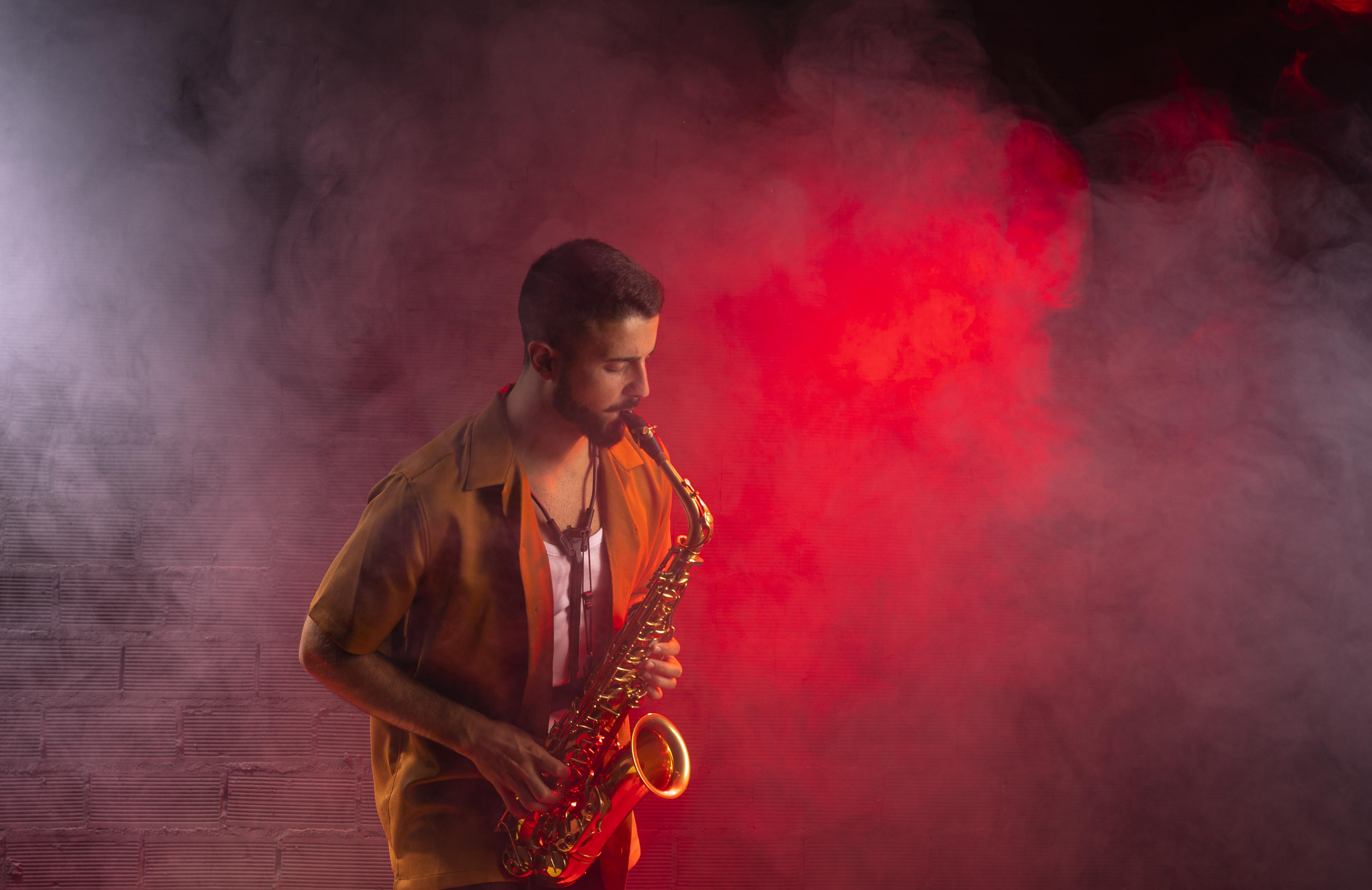
YEARS OF
MUSICAL EXCELLENCE
Shubham was founded by Shri Shivam Verma (Sangeet Visharad). It was established in the year 2018 in Hapur, District Ghaziabad (U.P.). He was born in Hapur, Uttar Pradesh. He developed a deep interest in music from an early age and received his initial training under the guidance of his family and local gurus. He later refined his skills through years of dedicated practice and formal training. He has performed at various cultural programs, music festivals, and stage events across different regions of India and continues to promote Indian classical and light music through teaching and performances.
Through Shivam Sangeet Mahavidyalaya, he aims to preserve and promote Indian classical music while nurturing young talent. The institution focuses on disciplined training, stage performance skills, and cultural values. His dedication towards music education continues to inspire students and strengthen the rich heritage of Indian music.
Read More
Master Raagas, Taal, and Alaap under traditional Gurukul style training.
Learn chords, fingerpicking, and music theory. Play your favorite songs in weeks.
Explore the rhythmic soul of India with deep focus on Bols, Taals and accompaniment.
Develop finger dexterity and learn to read staff notation for Bollywood & Western music.
Perfect for accompaniment in Bhajans, Ghazals, and Folk music with fingering.
Build rock-solid rhythm. Learn rudiments, fills, and play with a full band setup.
Experience the meditative sounds of the Bamboo Flute. Learn breath control and Raagas.
Master the art of bowing and posture. Available for both Indian and Western styles.
Learn recording, mixing, and mastering in a professional DAW to create your own songs.
STUDENTS
TEACHERS
PROGRAMMES
AWARDS
Music is one of the oldest and most powerful forms of artistic expression, deeply rooted in human culture and tradition. It is a creative art that combines sound, rhythm, melody, harmony, and silence to express emotions, ideas, and stories. Music has the unique ability to communicate feelings such as happiness, sorrow, devotion, excitement, peace, and love beyond the boundaries of language. Whether performed vocally or instrumentally, music serves as a bridge between the artist and the audience, creating a shared emotional experience.
As a performing art, music is often combined with other expressive elements such as acting, movement, and visual presentation. In many traditions, music is not limited to sound alone but becomes part of a larger artistic performance that includes storytelling, expression, and stage presence. Forms such as musical theatre, dance drama, opera, and classical recitals demonstrate how music works in harmony with dialogue, movement, and performance techniques to convey a complete artistic narrative.
Music overlaps with various performing arts like theatre and dance, yet it maintains its own identity through its structured use of melody and rhythm. Unlike spoken dialogue, music has the power to evoke emotions instantly and deeply. In structured musical traditions, equal importance is given to composition, performance, and emotional expression. This balance allows music to function both as an independent art form and as an integral part of theatrical and stage performances.
Over centuries, music has evolved through cultural exchange, social change, and artistic innovation. Classical musical traditions developed systematic frameworks based on scales, rhythm patterns, and disciplined practice. At the same time, folk and contemporary styles emerged from everyday life, reflecting social themes and regional identity. Modern music continues to blend classical foundations with contemporary influences, creating new forms while respecting traditional roots.
Music also plays a vital role in education and personal development. Learning music enhances concentration, discipline, creativity, and emotional intelligence. It encourages self-expression and builds confidence through performance and practice. In academic and cultural institutions, music education aims not only to develop technical skills but also to nurture aesthetic sensibility and cultural awareness.
In today’s world, music remains an essential part of cultural heritage and modern entertainment. From classical concerts and musical theatre to films and digital platforms, music continues to evolve while preserving its emotional and artistic essence. As a living art form, music connects generations, preserves traditions, and inspires creativity, making it an indispensable part of human life and artistic expression.
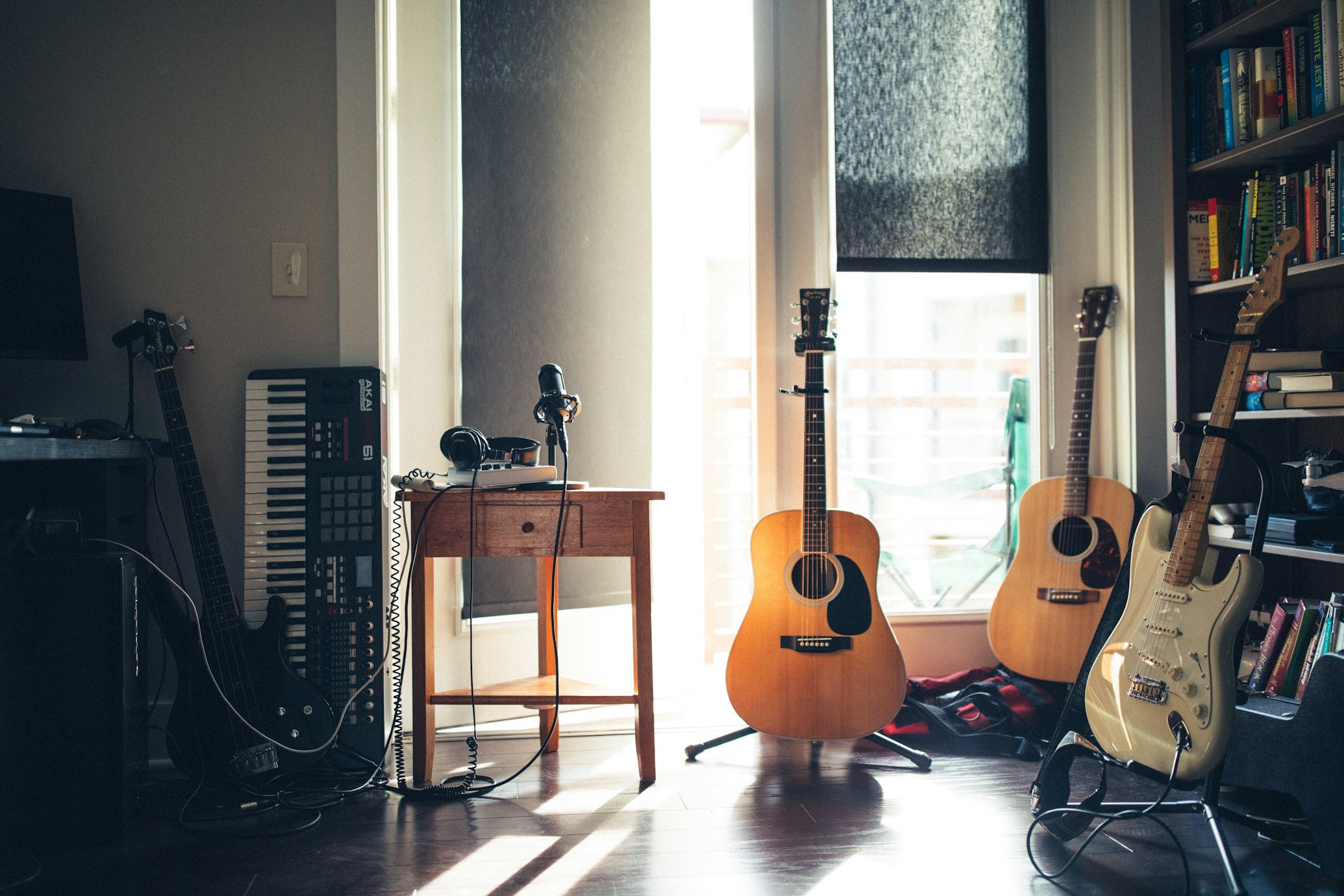
We have talented and very experienced instructors who teach dance, vocal, fine arts, tabla, violin, guitar, sitar, and other instruments.
 25 MAY
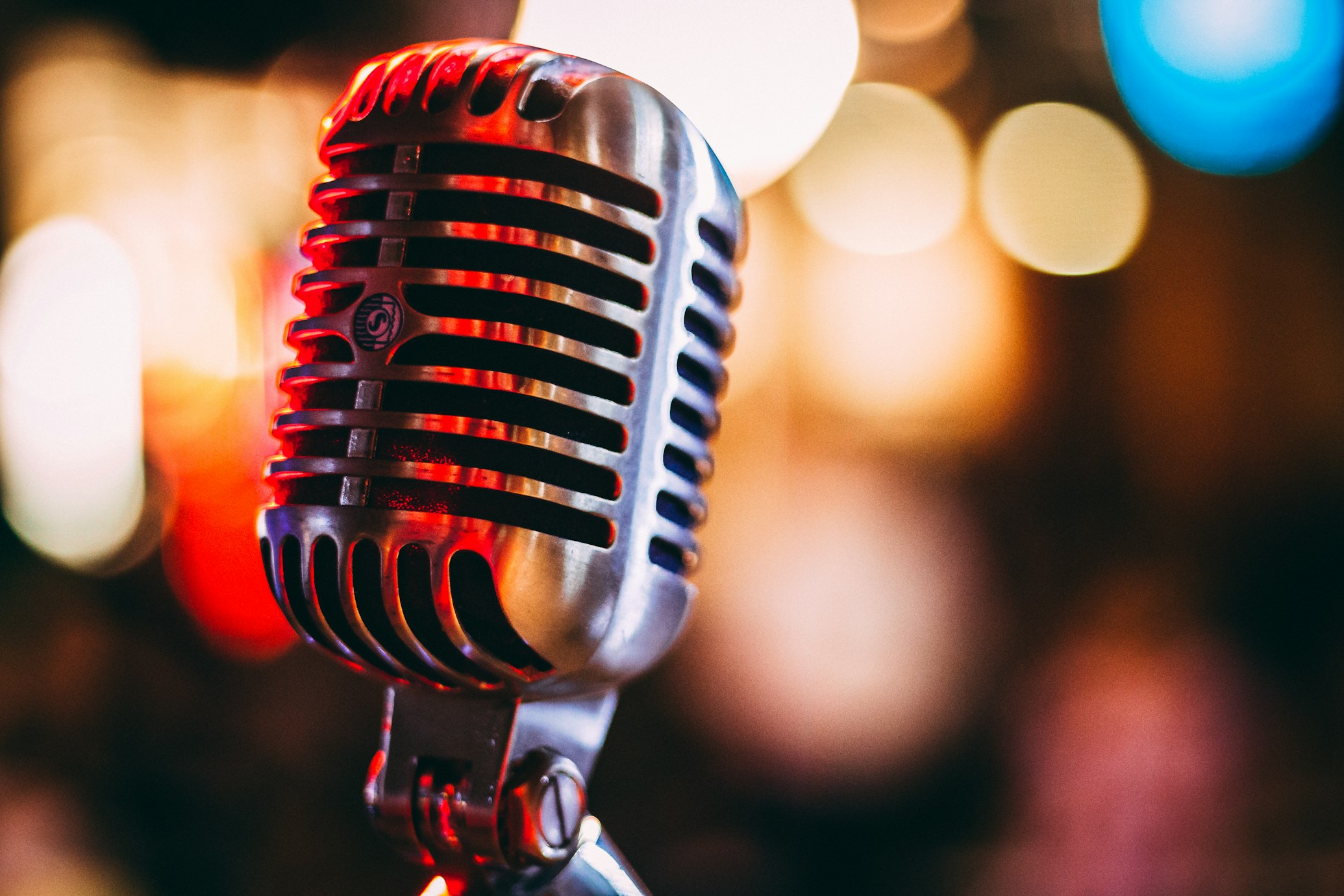
VOCAL TIPS
Discover simple exercises that help you strengthen your voice and reach higher notes safely...
 18 MAY
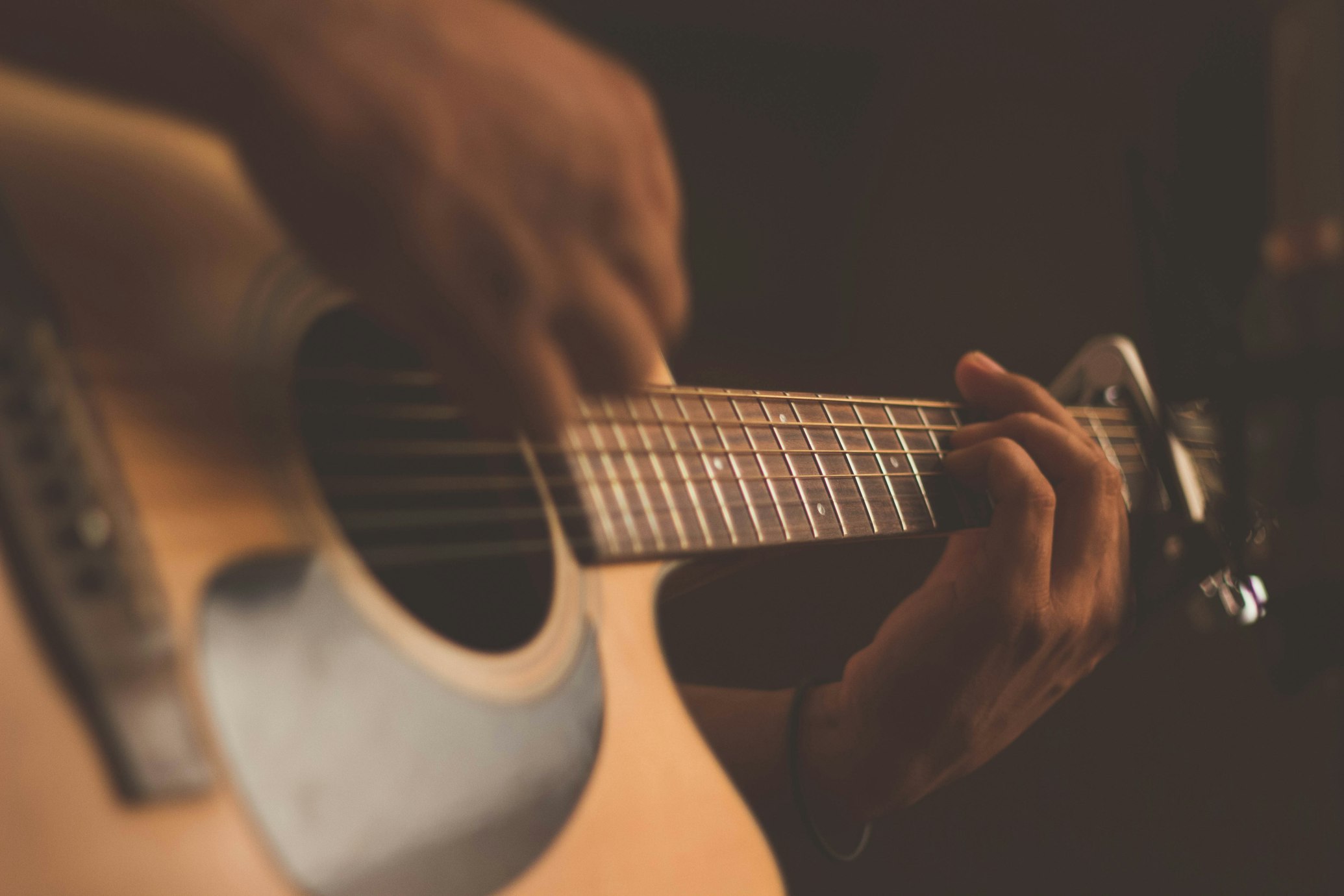
INSTRUMENTS
Acoustic, Electric or Classical? We break down which guitar is best for your musical journey...
 10 MAY
EDUCATION
How studying Indian Classical Music enhances discipline, focus, and emotional intelligence...
Have questions about our courses or admissions? Reach out to us and our team will get back to you shortly.
LOCATION
PHONE NUMBER
EMAIL ADDRESS